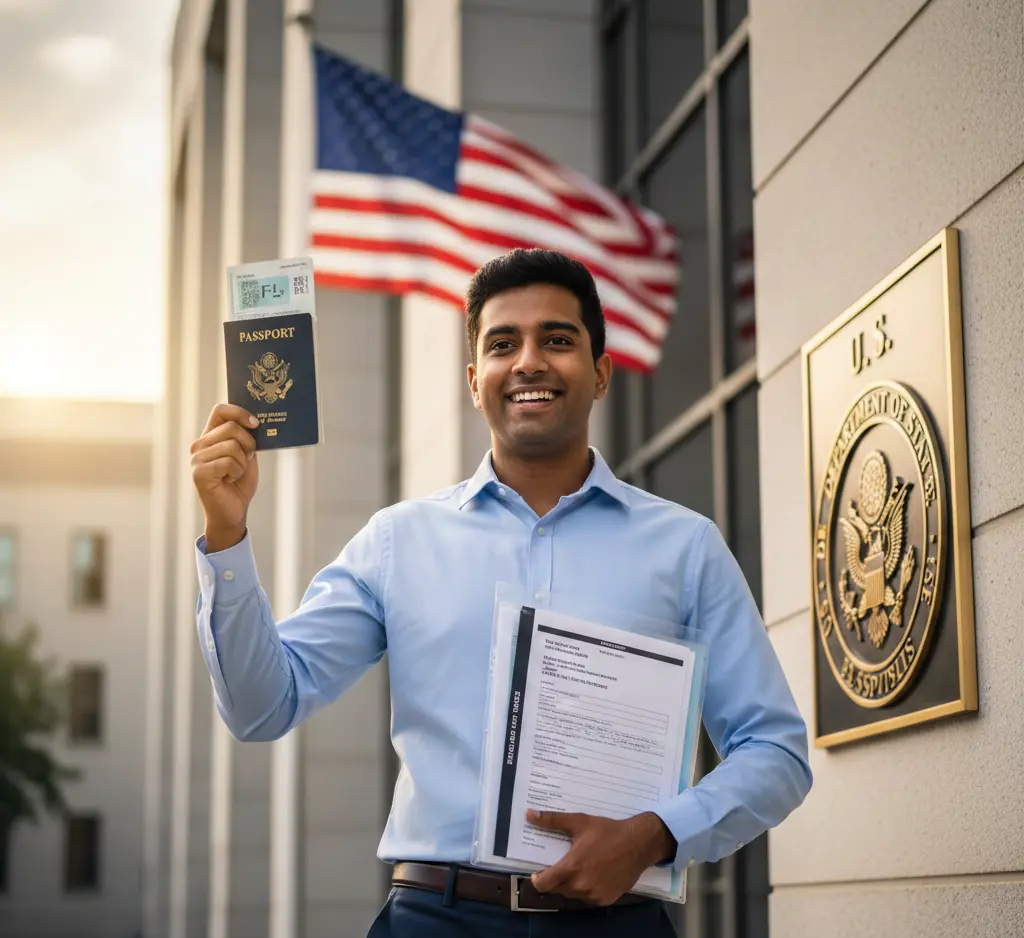


Every year, thousands of ambitious students look at a map of the United States and dream of a future on a leafy New England campus or in a bustling Texas tech hub. While that dream is exciting, learning how to apply to US universities for international students can often feel like a chaotic maze of complex acronyms, high-stakes essays, and strict deadlines. In 2026, navigating this journey successfully requires more than just good grades; it requires a strategic, human-centered plan to move from being an applicant to a committed student.
In 2026, applying to a U.S. university is about much more than just having a high GPA. American admissions officers aren’t just looking for “smart” students; they are looking for their next community members. They want to know who you are at 2:00 AM when a project is failing, what you value, and how your unique global perspective will change their campus for the better.
If you are feeling overwhelmed, take a breath. You don’t need to be a “perfect” applicant; you just need to be a strategic one. This guide is your map to get acceptance at US university. We are stripping away the jargon to show you exactly how to build an application that gets a “Yes”—from picking the right schools to writing an essay that actually sounds like you.
1. How to Apply to US Universities for International Students by Building a Strategic School List
The biggest mistake most international students offen make is applying to a list of schools based only on their name recognition. In 2026, the “enrollment cliff” in the U.S. means many excellent regional and state universities are competing for students like you, offering more scholarships and a more welcoming environment than hyper-selective “Ivy” schools.
- The 2-4-2 Rule: To ensure you actually move to the States in August, build a balanced list:
- 2 Reach Schools: Your “dream” schools (acceptance rates under 15%).
- 4 Match Schools: Your GPA and test scores align with their “middle 50%” range.
- 2 Safety Schools: You exceed their typical requirements. These are your “guaranteed” path to the U.S.
- The “SEVP” Check: Before you fall in love with a school, ensure it is SEVP-certified. This is a legal requirement; if a school isn’t certified, they cannot issue the I-20 form you need for your F-1 visa.
For official guidance on choosing a school, visit the U.S. Department of State’s network, EducationUSA.”
Related Reading: Not sure where to apply? Read our full breakdown: How to Find the Best U.S. Universities in 2026.
2. Standardized Testing: A Core Part of the US University Application Process
You’ve likely heard that many U.S. colleges are now “test-optional.” While this is true, the reality for international students is more exact.
- SAT/ACT: If your home country’s grading system is very different from the U.S. system, a strong SAT/ACT score acts as a “universal translator.” It proves to the admissions officer that your high GPA is backed by standardized excellence.
- English Proficiency: This is almost always non-negotiable. Aim for the TOEFL (target 90+), IELTS (target 7.0+), or Duolingo English Test (target 120+).
- The 2026 Shift: Many schools are moving back to requiring tests for competitive majors like Engineering or Business. Always check the “International Admissions” page of the specific department you are applying to.
3. The Personal Statement: Writing a Story, Not a Resume
The Common App personal statement is 650 words. In 2026, admissions officers are using AI-detection tools more than ever. If your essay sounds like a generic robot, it will be flagged.
- Ditch the “Success” Story: Everyone writes about winning a championship or getting the best grades. Instead, write about a vulnerable moment. Talk about a time you were confused, a time you failed, or a small hobby that shaped how you think.
- The “Coffee Shop” Test: Read your essay out loud. Does it sound like you talking to a friend? If it sounds like a textbook, start over. Authenticity—showing your true human self—is the #1 way to stand out in a pile of thousands of applications.
4. Extracurriculars: Quality Over Quantity
Admissions officers don’t want to see a list of 20 clubs you joined for one hour a week. They want to see “The Spike.”
- Show Commitment: It is better to have one activity you did for four years than five activities you did for four months.
- Impact Matters: Don’t just say you were “Member of the Art Club.” Say: “Led a team of 5 students to paint a mural for a local orphanage, raising $500 for supplies.” Numbers and specific outcomes show leadership and initiative.
- Unique Activities: Don’t forget non-traditional things. Helping take care of a younger sibling, working a part-time job, or teaching yourself to code are all valid extracurriculars that show maturity and responsibility.
5. How to Apply to US Universities for International Students: Choosing Your Advocates
You generally need 2–3 letters. These are the only part of the application where someone else speaks for you.
- Pick the “Storyteller”: Don’t just pick the teacher who gave you an ‘A Grade.’ Pick the teacher who saw your struggle and push through.
- The “Brag Sheet”: When you ask a teacher for a letter, give them a short list of your achievements in their class. This helps them write a specific, detailed letter instead of something generic.
6. The “Financial Reality” Check
While you don’t need to show your bank account the day you apply, you must have a plan.
- Merit vs. Need-Based Aid: Most international aid in the U.S. is “Merit-Based” (given for high grades/test scores).
- The 2026 Reality: Be wary of “Early Decision” if you need a lot of financial aid. ED is a binding contract—if you get in, you must go. If the financial aid package isn’t enough, it can be very difficult for you to back out.
Your Application Roadmap (The Timeline)
| Month | Task |
| June – August | Finalize your school list and start your Common App account. |
| September | Ask teachers for Recommendation Letters. Take your final English tests. |
| October | Draft your Personal Statement. Aim for 3–5 different versions. |
| November 1 | Early Action / Early Decision Deadline. |
| January 1 | Regular Decision Deadline. |
| March – April | The “Decision Window.” This is when the acceptance letters arrive! |
Conclusion: Your Path to the U.S. Starts Now
Mastering how to apply to US universities for international students is ultimately a test of your organization and self-reflection. While the paperwork might seem endless, remember that each requirement—from the school list to the final essay—is a chance to show admissions officers why you belong on their campus. By staying proactive and following the steps in this 2026 map, you transform a complicated global process into a clear, manageable path toward your American degree.
Final Word
Applying to the U.S. university is a marathon. It requires you to be your own project manager. But if you follow this map—staying authentic in your writing and strategic in your school choices—you won’t just get an acceptance letter; you’ll find the place where you truly belong.